
3 Effects of Cell Phones on Sleep and How to Sleep Better
Posted by Leafsleep on February 20, 2026
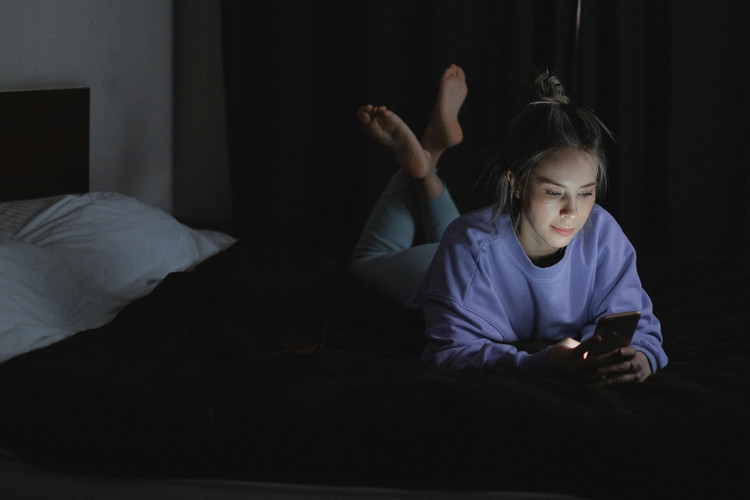
Although it seems like a harmless habit, the effects of cell phones on sleep are profound and can seriously compromise the quality of rest. At night, the phone tends to be always nearby: on the bedside table, under the pillow, or even in your hand until you close your eyes.
At Leafsleep, we know that improving sleep isn't just about having a good mattress, but also about healthy habits before bedtime. Discover how using your phone at night interferes with rest, how these effects accumulate over time, and what you can do to get back to truly restful nights.
1. Blue light before bedtime: a silent enemy of sleep
The blue light emitted by smartphones, tablets, and other screens before bedtime tricks the brain. This type of light blocks the production of melatonin, the hormone responsible for regulating the sleep cycle and signaling to the body that it is time to rest.
When you use your cell phone at night, your body interprets this exposure as if it were still daytime. The result is delayed sleep onset, increased restlessness at bedtime, and difficulty reaching deep sleep, which is essential for physical and mental recovery.
Over time, this habit directly affects the ideal hours of deep sleep for each age group, causing you to wake up tired, even after several hours in bed. Each age group needs a different number of hours of deep sleep, which is essential for physical, mental, and emotional recovery in both children and adults.
2. Effects of cell phones on the brain
The effects of cell phones on the brain go far beyond blue light. Content consumed at night keeps the brain in a state of alertness.
Even after putting down the phone, the mind continues to race, making it difficult to relax enough to fall asleep. This constant stimulation interferes with the natural transition between wakefulness and rest, disrupting deep sleep and fragmenting rest throughout the night.
In addition, notifications, vibrations, or simply having your phone in your bedroom can cause you to wake up during the night, making your sleep lighter and less restful.
3. Irregular routines and poor sleep
Excessive cell phone use before bedtime disrupts sleep routines and causes the best time to sleep to be constantly delayed.
As the days go by, frustration sets in: "I can't sleep, what should I do?" This cycle of fatigue, anxiety, and sleep deprivation can affect your mood, concentration, and even your long-term health.
Creating a consistent routine is essential to breaking this pattern and getting back to sleeping better.
Tips for falling asleep and improving sleep
If you want to reduce the effects of your cell phone and get back to peaceful nights, start with small changes:
- Avoid using your cell phone at least 30 to 60 minutes before bedtime;
- Create relaxing bedtime routines, such as reading a book or listening to calm music;
- Keep the room dark, quiet, and comfortable;
- Establish a regular schedule, respecting the best time to sleep;
- Choose a mattress and pillow that properly support your body.
Sleeping well starts before you go to bed
Turning off your cell phone at night is one of the simplest and most effective steps you can take to improve your sleep. Combining healthy habits with a suitable mattress and pillow makes all the difference to the quality of your rest.
At Leafsleep, we believe that good sleep transforms your days. Invest in healthy habits, respect your natural rhythm, and wake up with more energy, comfort, and well-being. Sleeping well is not a luxury; it is essential for your life.