
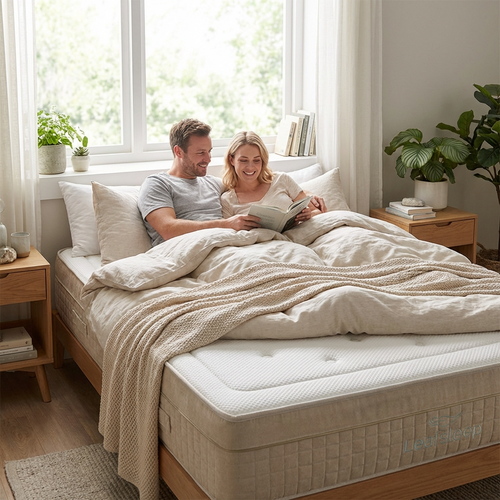
Is Taking a Nap Good for You? Understand the Benefits and Precautions
Posted by Leafsleep on March 5, 2026
But is taking a nap actually good for you? Napping is part of the culture in many countries and continues to be a habit, especially on weekends, during vacations, or after a long lunch.
The scientific answer is clear: when done right, napping can be a powerful ally for your physical and mental well-being.
In this article, we explain everything you need to know about napping, how long you should nap, and how to turn this short rest into a real energy boost—without affecting your nighttime sleep.
What is a siesta?
A siesta is a short period of rest taken during the day. It is a brief, strategic sleep that does not replace nighttime rest, but can complement physical and mental recovery.
Historically associated with Mediterranean countries, the practice of taking a siesta is now integrated into wellness and productivity strategies. When taken for the right length of time and at the right time of day, it can improve cognitive performance, reduce stress, and increase energy levels throughout the afternoon.
Is it good to take a nap after lunch?
It is natural to feel sleepy after lunch. This dip in energy is related to our biological rhythm—known as the circadian rhythm—which causes a slight decrease in alertness between 1:00 p.m. and 3:00 p.m.
It is precisely at this time that a nap after lunch can be beneficial.
Studies indicate that a short nap can improve alertness, increase concentration, improve mood, and even help consolidate memory.
In addition, research conducted by international universities suggests that taking regular naps may be associated with lower cardiovascular risk, especially when rest is moderate and integrated into a balanced routine.
Impact of naps on the brain
One of the main benefits of napping is cognitive functioning.
During sleep, the brain organizes information, consolidates recent memories, and frees up space for new knowledge. That is why many experts advocate taking naps:
- Improves learning ability;
- Increases creativity;
- Enhances problem solving;
- Improves reflexes.
If you work long hours or spend most of your day in front of a computer, a short nap can be just the reset your brain needs.
Naps and cardiovascular health
Taking a nap can also have a positive impact on heart health.
Some studies indicate that short naps help lower blood pressure and reduce levels of cortisol—the hormone associated with stress.
We know that chronic stress is one of the main risk factors for cardiovascular problems. Therefore, taking a short break after lunch can contribute to a healthier balance in the body.
What is the ideal time to take a nap?
Naps should be strategic. Sleeping too much can have the opposite effect—making you feel groggy and making it difficult to fall asleep at night.
General recommendations:
- 10 to 20 minutes: ideal for increasing energy and concentration without falling into a deep sleep;
- 20 to 30 minutes: improves cognitive performance and alertness;
- Up to 45 minutes: may help lower blood pressure.
Sleeping for more than 60 minutes increases the likelihood of entering deep sleep, which can interfere with rest. So, if you want to ensure that your afternoon nap is beneficial and does not interfere with your sleep, keep it short.
Does taking a nap replace nighttime sleep?
No. A nap does not replace the 7 to 9 hours of sleep recommended for adults. It is a supplement, not an alternative.
If you often sleep poorly at night, it is best to review your sleeping habits and bedroom environment—including your mattress, pillow, and room temperature.
Where to take a nap?
Contrary to what many people think, the bed is not always the best place for a nap.
If you suffer from reflux or indigestion, lying completely flat may not be the best option immediately after lunch. In such cases, a comfortable armchair may be preferable.
However, if you choose to lie down in bed, make sure you have:
- A mattress with good support;
- A pillow that is suitable for your sleeping position;
- A quiet environment;
- Soft lighting or curtains that block out the light.
Comfort is essential for a truly restorative nap.
Siesta: a small habit with a big impact
An afternoon nap after lunch is beneficial when integrated into a balanced routine. It can improve mood, strengthen memory, and increase productivity.
However, the real basis for rest remains quality sleep at night.
If you want to improve your rest—whether at night or during a strategic afternoon break—invest in a proper sleep system. A mattress that respects the anatomy of the body, a pillow adjusted to your position, and a comfortable environment make all the difference.
At Leafsleep, we believe that every moment of rest is important—whether it's a full night's sleep or a brief nap.